
How Exercise Helps Mental Health
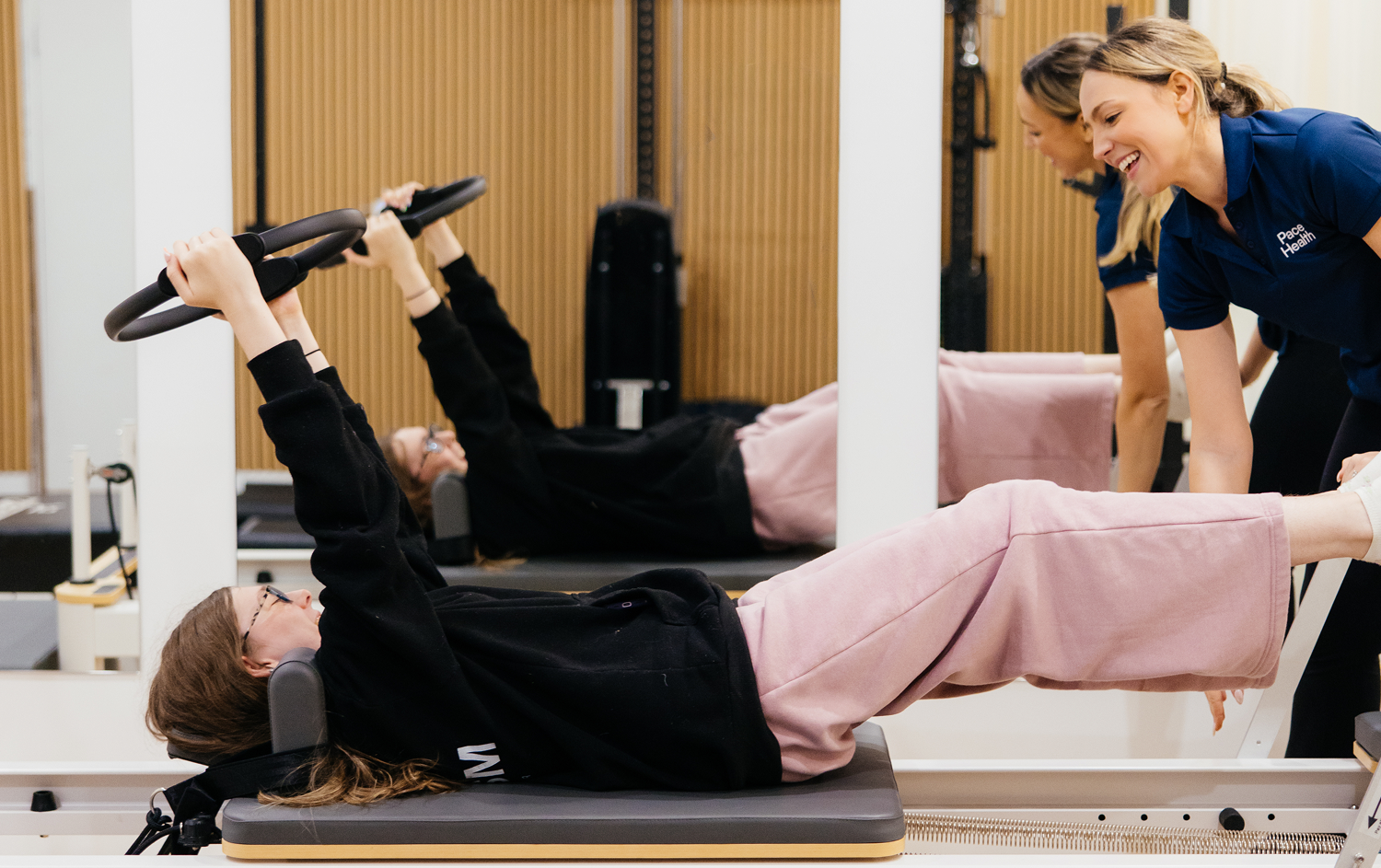
Almost everyone knows exercise is ‘good for your mental health.’ Fewer people know how, or why, or what actually works. And in a workplace mental health context, the difference matters. A well-meaning wellness program that pushes people towards a habit they cannot sustain does very little. A program built around what actually moves the dial does a lot.
Here is what the research says and what to do with it at work.
Why exercise moves mental health
The mechanism is not just ‘endorphins.’ Structured movement changes brain chemistry, sleep quality, energy levels, and how the body handles stress. Regular exercise reduces symptoms of depression and anxiety at effect sizes comparable to some medications, particularly for mild to moderate cases. It improves sleep, which improves mood, which improves the capacity to do more of the things that support good mental health. It creates a small daily win, which matters more than it sounds.
For workplaces, it also builds resilience against the stuff that erodes mental health at scale: chronic stress, poor sleep, sitting for long stretches, feeling disconnected from your body.
What kind of exercise, how much
The research suggests three things:
Aerobic exercise (walking, cycling, running, swimming) at moderate intensity, for about 150 minutes a week, has the strongest and most consistent effect on mood and anxiety. It does not need to be one hour, five times a week. Three 20-minute walks a day is fine. Breaks in the working day count.
Strength training two or three times a week adds a separate benefit, particularly for self-esteem, energy, and stress resilience.
Anything that gets people outside in daylight adds a further mental health benefit through daylight exposure, which regulates sleep and mood via circadian rhythms.
Consistency matters more than intensity. Twenty minutes most days beats an occasional epic effort.
What this looks like at work
You do not need to build an onsite gym to help your team benefit. What tends to actually work:
Walking meetings for one-on-ones and small check-ins. End of day encouragement to get outside before it goes dark. Genuine flexibility around lunch breaks so people can move. Onsite programs matched to how your team actually works (movement in the office, structured stretch, ergonomic reset). Access to allied health as part of your health cover, not just an EAP hotline.
The workplace piece is culture more than program. If leaders take walking breaks in daylight, so does everyone else. If nobody moves until 6pm, nobody moves at all.
Where PACE fits
Our workplace health programs are built around this. Preventative intervention (BackFit, DeskFit, DriveFit) keeps bodies working well through the workday. Health checks give employees a five-minute conversation about their own risk factors. Wellness workshops cover the mental health piece specifically, including movement as a mental health tool.
If you are planning R U OK Day content, mental health first aid follow-ups, or return-to-work programs, structured movement is one of the most reliable things you can add to the mix.
