
How Exercise Helps Osteoporosis
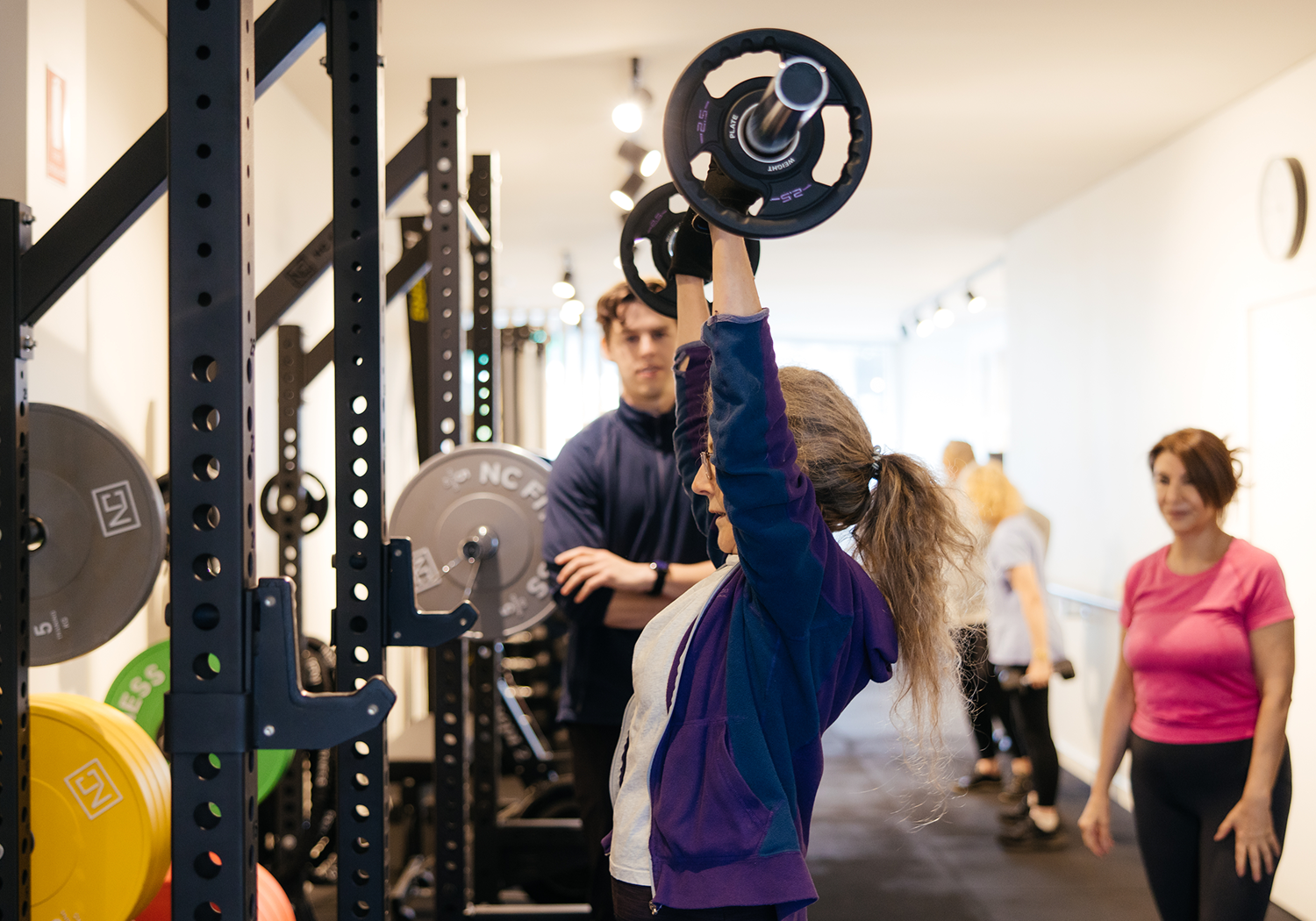
Osteoporosis gets a lot of press for what you should not do. Stop lifting heavy things. Do not fall. Be careful. Most of that advice is well meaning, and most of it is only half right. The full picture is that the right kind of exercise is one of the most reliable things you can do to slow bone loss, reduce fracture risk, and keep living the way you want to live.
Here is how it works, and what to actually do about it.
Bones respond to load
Bone is a living tissue. It rebuilds itself constantly. When you load it (which means putting force through it) your body responds by laying down more bone in the places that need it. When you stop loading it, your body starts pulling bone back. This is why astronauts lose bone density in space, and why bed rest leads to rapid bone loss.
For adults with osteoporosis or osteopenia, this is both the problem and the solution. Underloading is contributing to the bone loss. Loading well is the way back.
Two types of exercise that stimulate bone
The research is pretty clear on what works. Two types of loading do most of the heavy lifting for bone density:
Heavy resistance training. Loading a muscle group hard enough that the last two or three reps are genuinely difficult. This is not gentle. Light dumbbells and long band work will keep muscle ticking over but they do not produce the mechanical signal bones need. Heavier loads, fewer reps, done consistently across a week.
Impact loading. Landing forces through your legs and hips. Depending on your starting point this might be jumping, skipping, hopping, or even just brisk walking with intentional heel strikes. Impact stresses bone in a way that resistance work alone does not.
Combine the two and you are doing what the evidence says works.
What about the fear of fractures
The most common thing we hear is ‘I am scared of hurting myself.’ Fair. But here is the flip side. The path to fewer fractures is stronger bones, better balance, better strength, better coordination. Sitting still to protect yourself right now is trading a small immediate risk for a much bigger long-term one.
The other thing to know: heavy, supervised strength training is remarkably safe. In a supervised setting with proper technique, the injury rate is very low, and lower than most sports. You are not going to snap in half doing a hip hinge with a coach watching you.
Where to start
If your DEXA scan came back with a diagnosis, or if osteoporosis runs in your family and you are in your 40s or 50s, the best time to start is now. A short assessment with an EP maps where you are and builds a program you can actually stick to.
Our Onero program and Bone Health Groups is built specifically for this. Small group, supervised, heavy resistance plus impact, year round. Sessions run across the week and progress with you as you get stronger.
If you would rather start with a one-on-one assessment first, that works too. Same team, same evidence base, we just meet you where you are.
