
How PACE Health Utilises Goal Setting to Improve Patient Outcomes
Exercise advice alone is rarely enough to create lasting change.

One of the most common reasons exercise interventions fail is not a lack of knowledge, it is a lack of structured, realistic goal planning that integrates physiology with the realities of a patient’s life.
At PACE Health Management, we utilise a structured 10-step prescription framework to ensure exercise is not just recommended, but effectively implemented.
A Structured Framework for Prescription
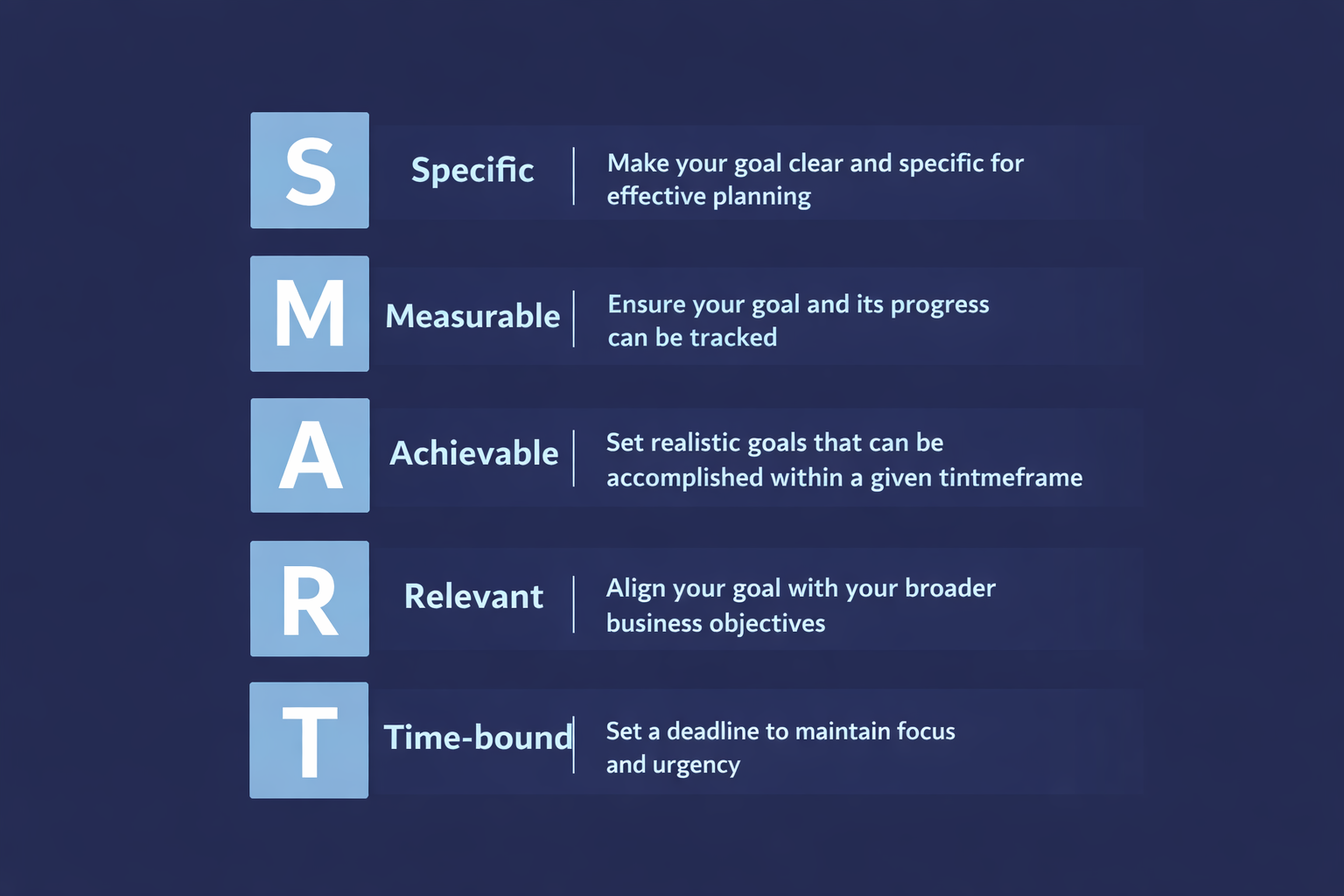
Our process begins with one clearly defined primary goal, structured using S.M.A.R.T principles, specific, measurable, achievable, realistic and time-bound. We deliberately set targets slightly under maximum capacity to improve adherence and build confidence.
From there, we follow a systematic process that includes:
Identifying barriers to adherence
Establishing a realistic timeline
Determining sustainable weekly training frequency
Selecting goal-specific exercises
Prescribing appropriate intensity, volume and rest intervals
Planning progression and deload phases
Implementing “chaos management” strategies
This ensures programming is both physiologically sound and behaviourally supported.
Integrating a Biopsychosocial Approach
Exercise prescription does not occur in isolation from context.
We actively assess and integrate:
Biological factors (pathology, strength, balance, metabolic markers, bone density)
Psychological factors (fear of movement, confidence, readiness for change)
Social factors (work demands, family commitments, access to facilities)
By addressing the person, not just the condition, we significantly improve engagement and long-term compliance.

Barrier Identification & Adherence Strategy
A key component of our model is early identification of predictable barriers, time constraints, flare-ups, fatigue or competing commitments. We build programs around non-negotiables rather than against them.
We also apply behaviour science principles to support adherence:
Structured scheduling
Realistic frequency
Clear progress markers
Measurable improvements
This shifts exercise from a recommendation to repeatable behaviour.
Clinical Outcomes
When goal clarity, progressive overload and barrier management are integrated effectively, we see:
Improved metabolic and cardiovascular markers
Increased strength and functional capacity
Reduced fall risk and injury recurrence
Greater long-term engagement with physical activity
At PACE, exercise is not simply prescribed, it is structured, periodised and behaviourally supported within a biopsychosocial framework.
If you would like to discuss how this approach can support your patients, we welcome collaboration.