
Blog

Talking to Your Kids About Feelings: What Actually Works
Most dads want to have better conversations with their kids about feelings. Most also assume it needs to be a formal, sit-down, look-me-in-the-eye moment to count. It does not. In fact, that setup usually backfires.
Here is what the research says about kid conversations, and what our paediatric psychology team sees actually work in real families.
How Exercise Helps Mental Health
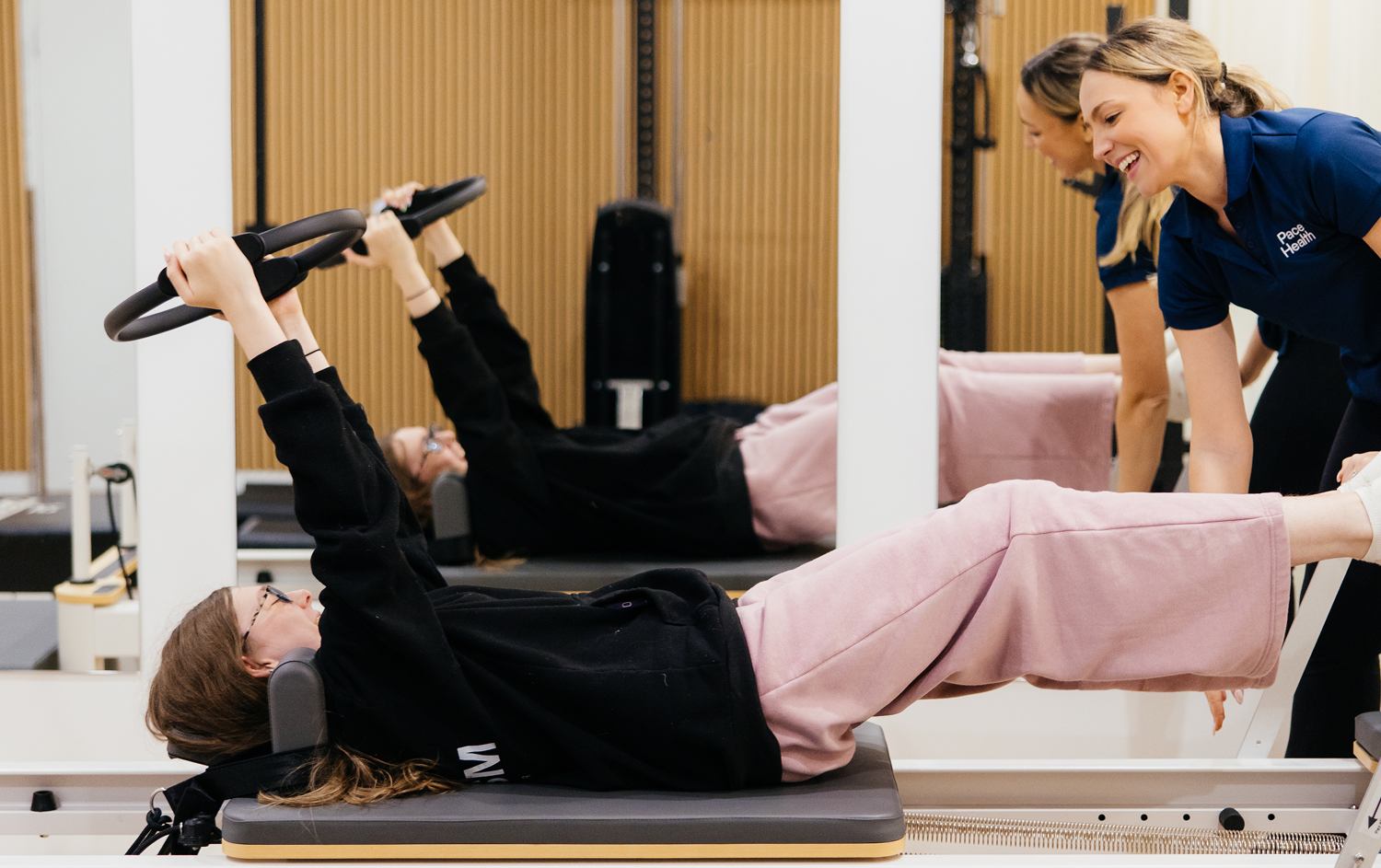
Almost everyone knows exercise is ‘good for your mental health.’ Fewer people know how, or why, or what actually works. And in a workplace mental health context, the difference matters. A well-meaning wellness program that pushes people towards a habit they cannot sustain does very little. A program built around what actually moves the dial does a lot.
Here is what the research says and what to do with it at work.
How Exercise Helps Osteoporosis
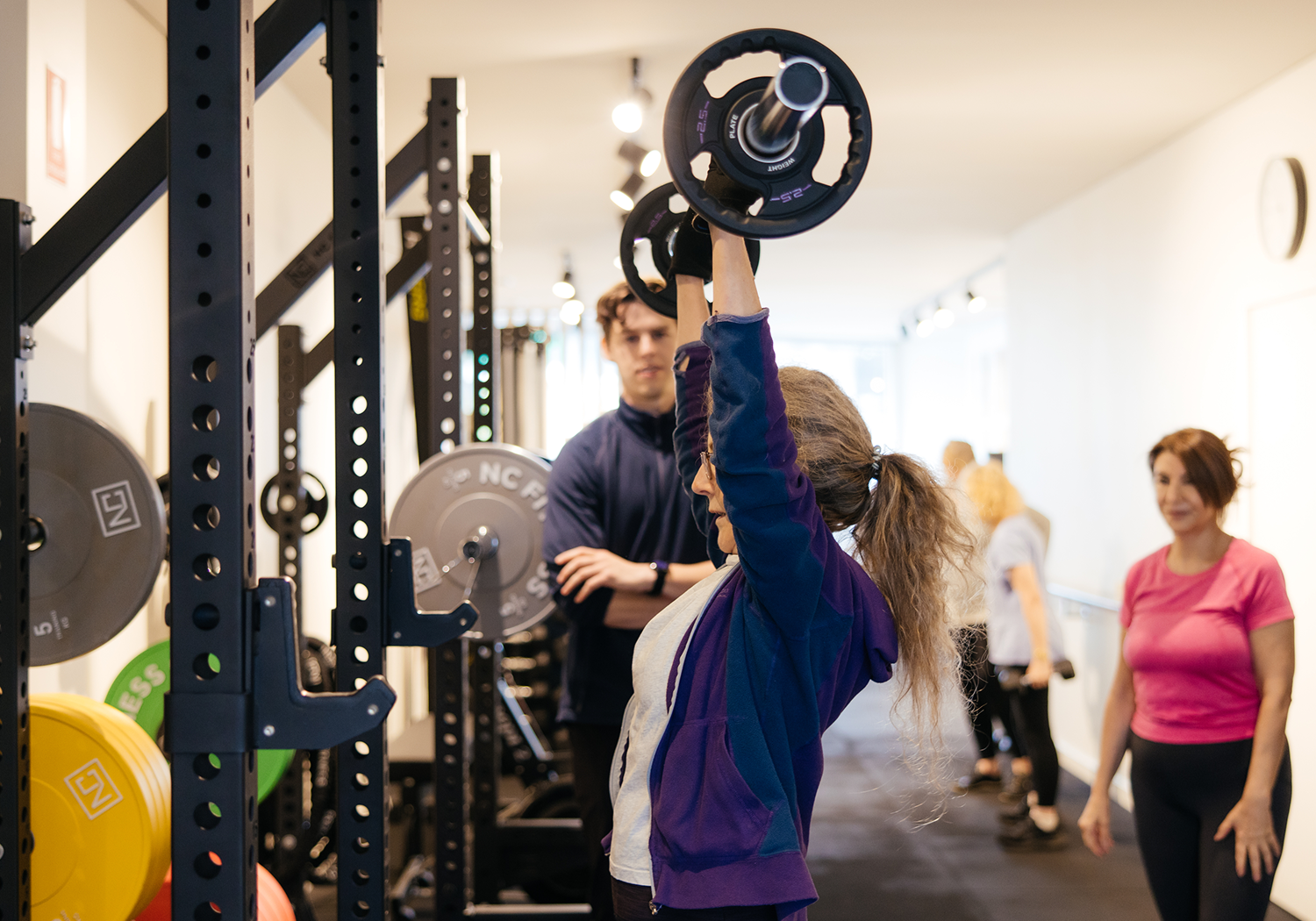
Osteoporosis gets a lot of press for what you should not do. Stop lifting heavy things. Do not fall. Be careful. Most of that advice is well meaning, and most of it is only half right. The full picture is that the right kind of exercise is one of the most reliable things you can do to slow bone loss, reduce fracture risk, and keep living the way you want to live.
Here is how it works, and what to actually do about it.

Late Talker, Speech Sound Errors, Stutter: When Each One Needs Support
It is one of the harder questions to sit with. Every child develops at their own pace, and most quirks resolve on their own. But some do not, and the difference matters — because early support tends to change the trajectory far more than waiting does.

Two Winter One-Pot Meals From Our Dietitians
Our Dietitians have shared two of their winter favourites. Both are family-sized, both freeze well, and both are built around the kind of ingredients you probably already have in your kitchen this week.

Why Tradies Skip the Doctor (and What Employers Can Do)
Tradies are more likely to be injured at work, more likely to die by suicide, less likely to see a GP, less likely to access mental health support, and less likely to follow up on a treatment plan than almost any other occupational group in Australia. Most of them know it. Many of their employers know it. The harder question is what to actually do about it.

3 Warming Winter Soups Our Dietitians Love
A great source of fibre, a full serving of vegetables and one of the easiest ways to include legumes in your diet (great for gut health and feeding your microbiome). Plant-based protein from beans plus fibre from the wholegrain pasta means stable blood sugar and a feed that holds you through to the next meal.
Books to Help Your Child's Language Develop This Winter
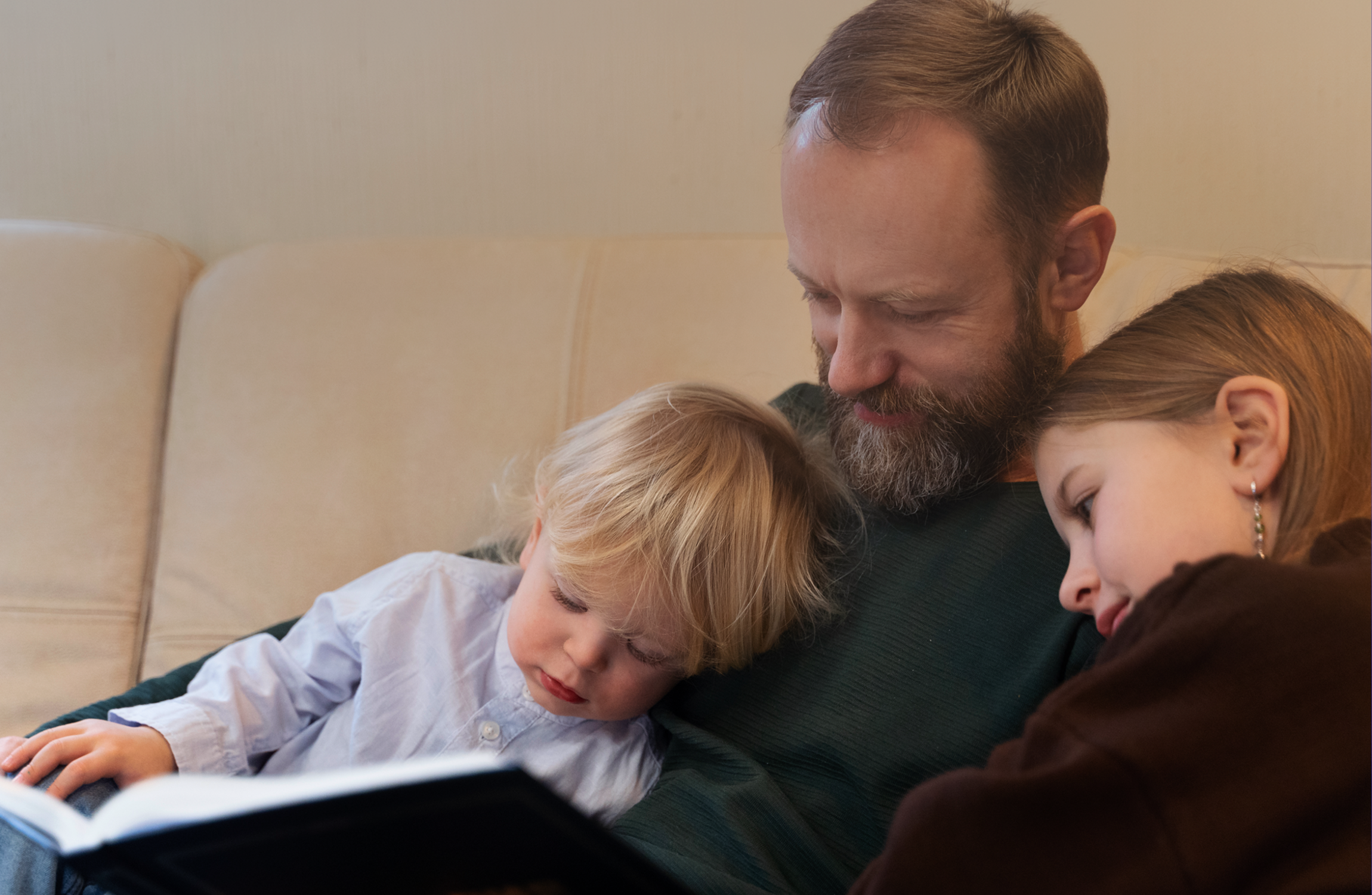
Most parents we work with already know reading to their child matters. The question they actually have is which books, how often, and whether what they are doing at home is enough.
This is for you if you have ever stood in front of the children's section at a bookshop or library, picked up four books, put them back, and walked out with one because you ran out of time. Or scrolled through a recommended list online and ended up more confused than when you started.

Reading Aloud With Your Child: A Speech Pathologist's Guide to Making It Count
Reading to your child is one of the simplest, most powerful things you can do for their language development. But the way you read together matters as much as how often.
Our paediatric speech pathologists work with families every week who are reading to their children faithfully and still wondering if it is "doing anything." The answer is almost always yes, but a few small shifts can make it do a lot more.

Why Winter Is the Hardest Season for Your Body (and What Helps)
It is not your imagination. Winter is harder on your body.
Cold weather tightens muscles. Joints that ache in summer flare up in July. The pain you can usually walk off lingers for days. And the motivation to do anything about it disappears around the same time the sun does.
School Holidays With Sensory-Sensitive Kids: 5 Ideas That Help
School holidays are sold to parents as a break. For families with sensory-sensitive children, they are often the opposite two weeks of broken routine, unpredictable noise levels, sudden plans and meltdowns that come out of nowhere.
Our paediatric occupational therapy team support families like this every week. Here are five things that consistently help.

The Real Cost of Putting Up With Pain
There are understandable reasons people delay getting help with pain. Life is busy. You do not want to seem like you are complaining. You worry it will mean bad news, or being told to stop the things you enjoy. For a lot of men, there is an added belief that getting on with it is the strong thing to do.

5 Exercises Everyone Over 40 Could Do MORE
From your 40s onward, the body starts to lose muscle and bone more readily, and balance quietly declines if you leave it unchallenged. The good news is that a handful of foundational movements protect against most of it. You do not need a gym membership or hours a week. You need consistency and the right five exercises.

Big Feelings in Little People: Helping Your Child Manage Anxiety
The reassuring news is that anxiety in children responds well to support, and there is a lot you are able to do at home to help. Here is what childhood anxiety looks like, why it happens, and the practical steps that make a difference.

Winter Wellness in the Workplace
Winter is one of the most demanding seasons for workplace health. Sick leave climbs, MSK complaints rise as people move less and sit longer, and team energy quietly drops alongside the shorter, darker days. For people leaders and WHS managers, it is also the time of year where a few well-timed actions can make a noticeable difference to absenteeism, productivity and culture.
Onero Program: A Referrer Guide to Bone Health Exercise
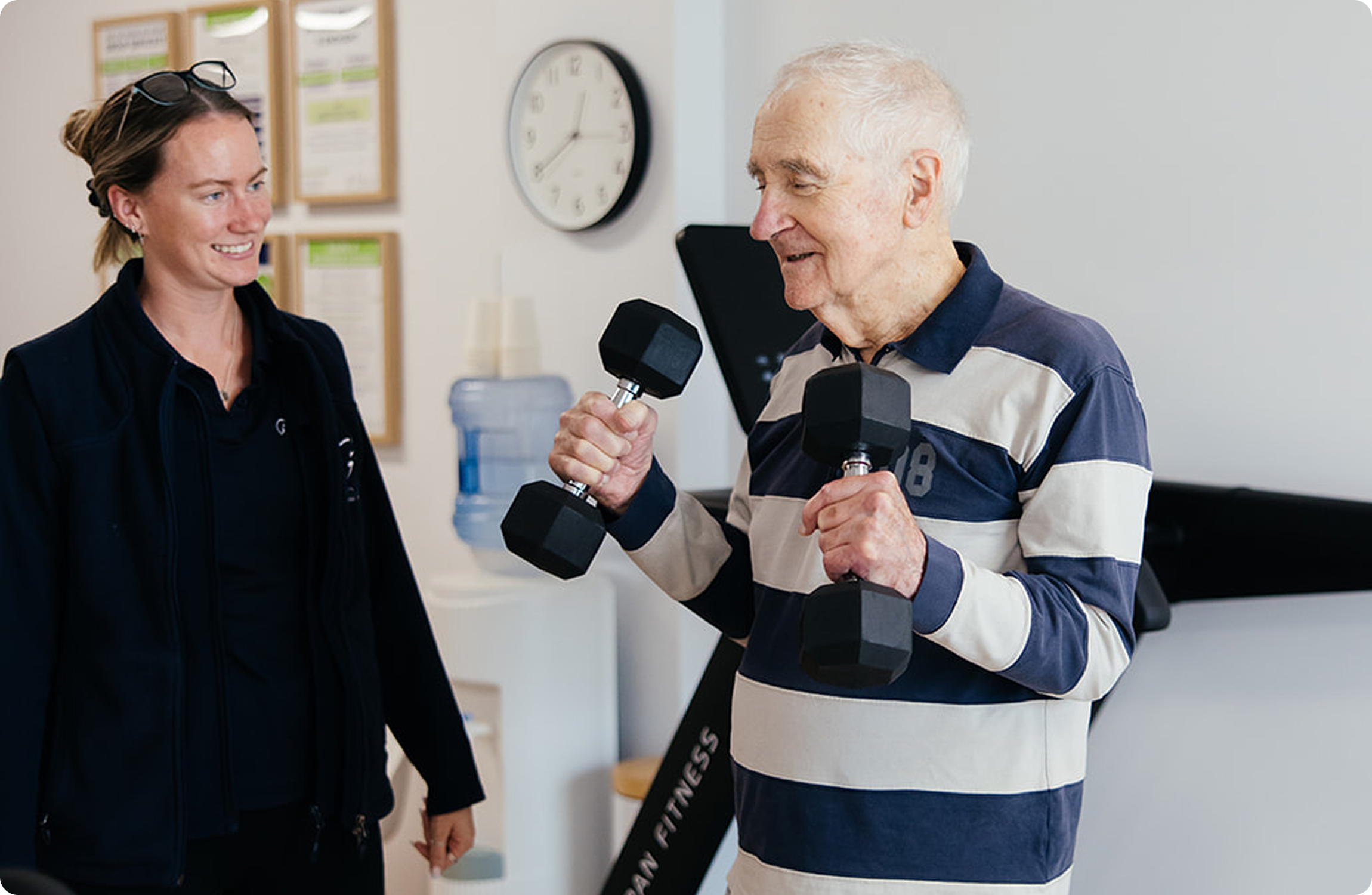
Maintaining bone health is critical for managing ageing populations, particularly for clients with osteopenia, osteoporosis, or an increased risk of falls and fractures. While pharmacological management plays an important role, exercise remains one of the most effective and accessible interventions to support long-term outcomes.
Our Exercise Physiologists deliver evidence-based programs tailored to each clients capacity, risk level, and clinical presentation. These programs typically incorporate resistance training, weight-bearing exercise, balance work, and education around safe movement patterns.

When Should Your Child See a Speech Pathologist?
Speech therapy covers a range of areas including articulation (speech sounds), language (using and understanding language), social communication, feeding (in the area of swallowing and mouth structures), and augmentative and alternative communication (alternative forms of communication).
Here are some key indicators in each age group that may prompt you to see a speech pathologist with your child.

How the PACE Multidisciplinary Model Benefits Your Patients
When managing clients with complex or chronic conditions, outcomes are rarely driven by a single intervention or discipline. They are shaped by how well care is coordinated.
In more traditional or siloed models, clients may see multiple providers who are all working toward similar goals, but without clear communication. This can lead to mixed messaging, duplication of work, or gaps in care. For the client, this often results in confusion, reduced confidence, and slower progress.
How a Team Approach at PACE Can Help You Get Better Results
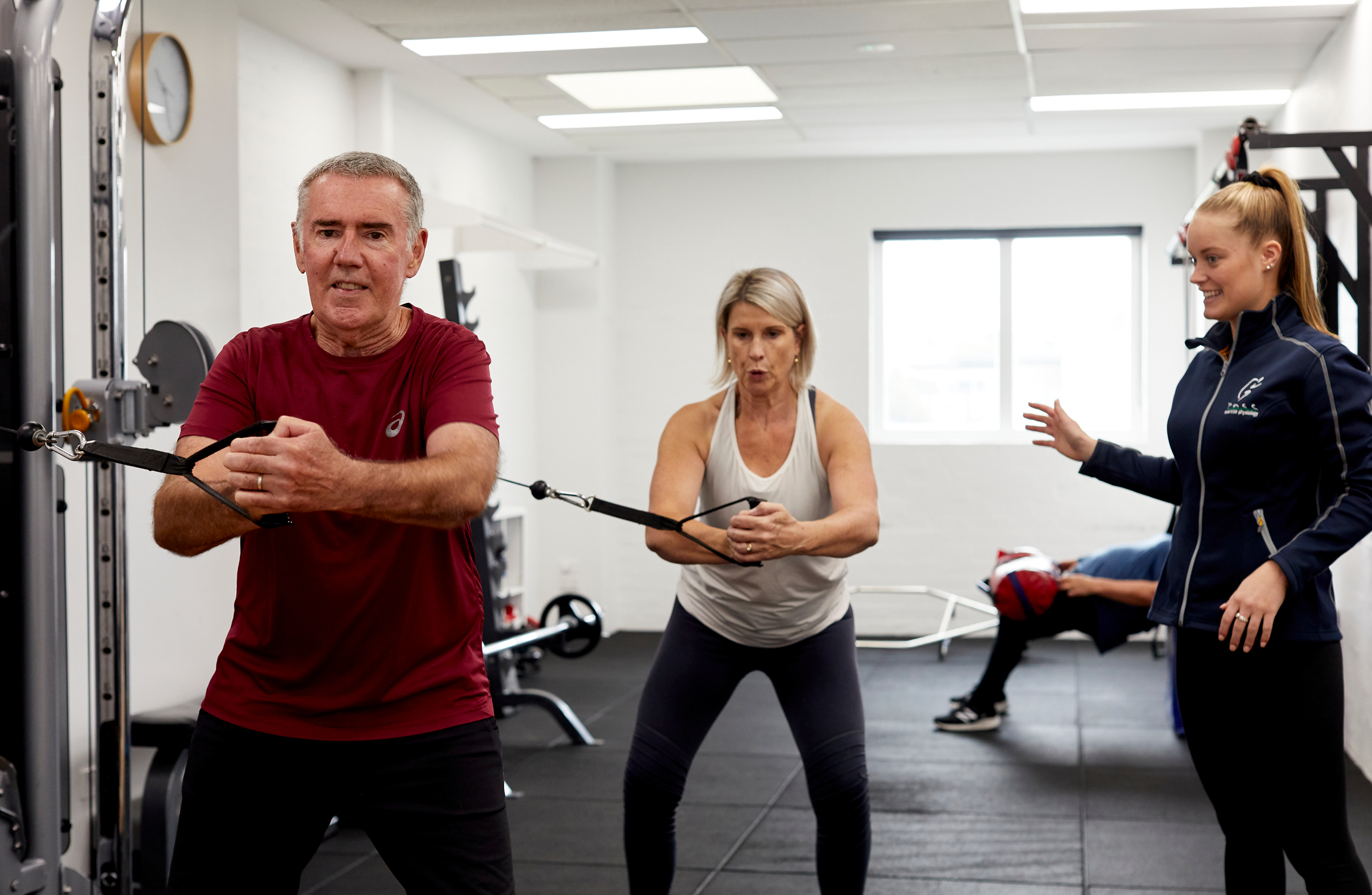
If you’re managing a long-term injury, chronic pain, or a health condition, you may have seen multiple health professionals along the way. While each person is there to help, it can sometimes feel like you’re getting different advice, or that everything isn’t quite connecting.
This is where a team-based approach can make a real difference.

Here’s How to Help Your Patients With Their Joints Through Winter
During the colder months, it’s common to see an increase in reports of joint stiffness, pain, and reduced activity levels. While cold weather itself does not cause joint damage, it can significantly influence how patients experience their symptoms.
There are a few contributing factors. Lower temperatures can lead to increased muscle stiffness and reduced tissue elasticity, which may impact joint support and movement efficiency