
Onero Program: A Referrer Guide to Bone Health Exercise
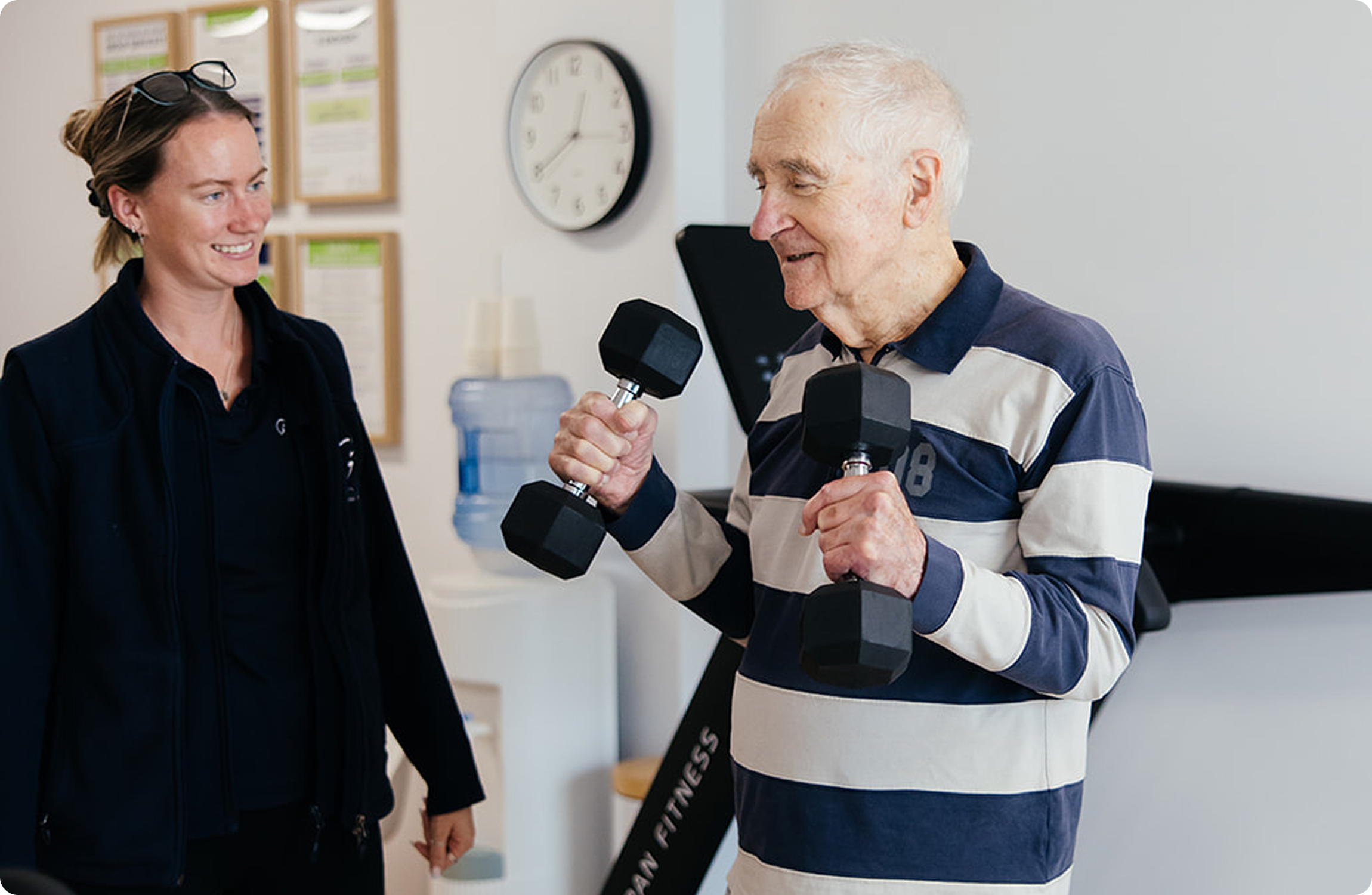
Maintaining bone health is critical for managing ageing populations, particularly for clients with osteopenia, osteoporosis, or an increased risk of falls and fractures. While pharmacological management plays an important role, exercise remains one of the most effective and accessible interventions to support long-term outcomes.
At PACE Health, our Exercise Physiologists deliver evidence-based programs tailored to each clients capacity, risk level, and clinical presentation. These programs typically incorporate resistance training, weight-bearing exercise, balance work, and education around safe movement patterns. Some PACE Health clinics also offer the ONERO™ program, a high-intensity, evidence-based approach specifically designed for individuals with low bone density.
Why Exercise Matters:
Targeted exercise can help maintain bone density, improve muscle strength, and reduce falls risk. Importantly, it also restores confidence in movement - something many clients lose following a diagnosis or fracture.
Who to Refer:
You may consider referring clients who present with:
Osteopenia or osteoporosis
A history of fragility fractures
Reduced strength, balance, or mobility
Increased falls risk
Older age or post-menopausal status
Early referral can play a key role in preventing further decline and improving functional outcomes.
How to Refer:
Referring to PACE Health is simple and flexible. You can submit a referral via:
GP Chronic Condition Management Plan (GPCMP)
Private referral (fax or email)
What Happens After Referral:
Following referral, patients complete an initial assessment focusing on strength, balance, and functional capacity. An individualised program is then developed and progressed under supervision.
Where appropriate, patients may be enrolled in a Bone Health class or the ONERO™ program. Exercise is typically recommended twice per week to achieve optimal outcomes.
We prioritise clear communication and will provide updates on patient progress to support a collaborative approach to care.
