
Why Bone Health Matters and What You Can Do About It
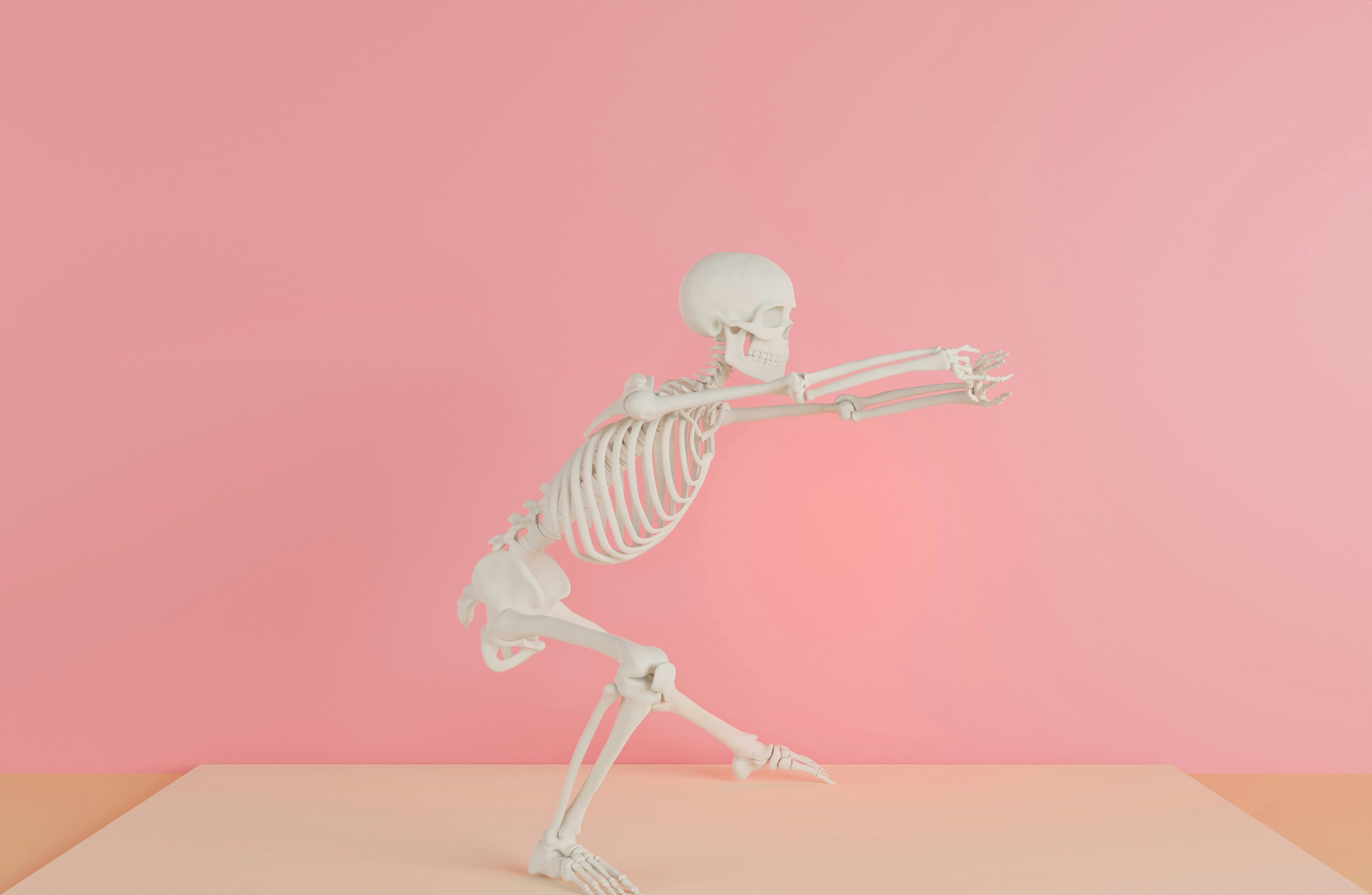
Osteoporosis is a common condition that affects bone health, yet it often develops quietly over many years without obvious symptoms. It is typically only identified after a fracture occurs, which is why it is often referred to as a “silent disease.” At its core, osteoporosis is characterised by a loss of bone density and a deterioration in bone structure, making bones more fragile and more susceptible to breaking.
Throughout our lives, our bones are constantly being remodelled. This process is regulated by two types of cells: osteoblasts, which build new bone, and osteoclasts, which break down old bone. In healthy individuals, there is a balance between these two processes. However, with ageing, hormonal changes - particularly reduced estrogen levels after menopause - and factors such as low calcium intake, vitamin D deficiency, and physical inactivity, this balance can shift. When bone breakdown exceeds bone formation, bone density declines and the risk of osteoporosis increases.
The consequences of osteoporosis extend beyond reduced bone density. The most significant concern is the increased risk of fractures, particularly in the hip, spine, and wrist. These fractures can have a substantial impact on an individual’s independence, mobility, and overall quality of life. In older adults, they are often associated with prolonged recovery, loss of function, and increased risk of further health complications.
It is also important to recognise that bone density does not fully determine bone strength. While bone density refers to the amount of mineral content within the bone, bone strength also depends on the internal structure and organisation of that bone. This means that two individuals with similar bone density may have very different fracture risks. Encouragingly, lifestyle interventions - particularly exercise - can positively influence both bone density and bone quality.
Exercise plays a critical role in both the prevention and management of osteoporosis. When bones are exposed to mechanical loading through movement, they respond by becoming stronger. This occurs because the stress placed on the bone stimulates osteoblast activity, promoting the formation of new bone tissue. In addition to its direct effects on bone, exercise improves muscle strength, balance, and coordination, all of which contribute to a reduced risk of falls - the leading cause of fractures in individuals with osteoporosis.
Not all forms of exercise provide the same benefits for bone health. The most effective programs typically include resistance training, impact-based activities, and weight-bearing exercise. Resistance training, particularly with moderate to heavy loads, helps to stimulate bone growth and improve muscle strength. Impact activities such as jumping or skipping can further enhance bone loading, while weight-bearing activities like walking or stair climbing support overall bone health. Importantly, balance training should also be included, as reducing falls risk is a key component of fracture prevention.
When considering exercise for osteoporosis, it is important to adopt an individualised and progressive approach. Many people - particularly older adults may feel hesitant about lifting weights or performing higher-impact movements due to fear of injury. However, with appropriate supervision, gradual progression, and a focus on technique, these forms of exercise can be both safe and highly beneficial. Starting with manageable loads, building confidence, and progressively increasing intensity over time is key to achieving meaningful improvements.
Ultimately, osteoporosis is not simply an inevitable consequence of ageing. While certain risk factors such as age and genetics cannot be changed, many others particularly physical activity levels are modifiable. By engaging in regular, targeted exercise and supporting bone health through adequate nutrition, individuals can significantly reduce their risk of fractures and maintain their independence and quality of life.
Bone health is something that can be actively influenced. With the right approach, it is possible not only to slow bone loss, but to build stronger, more resilient bones over time.
