
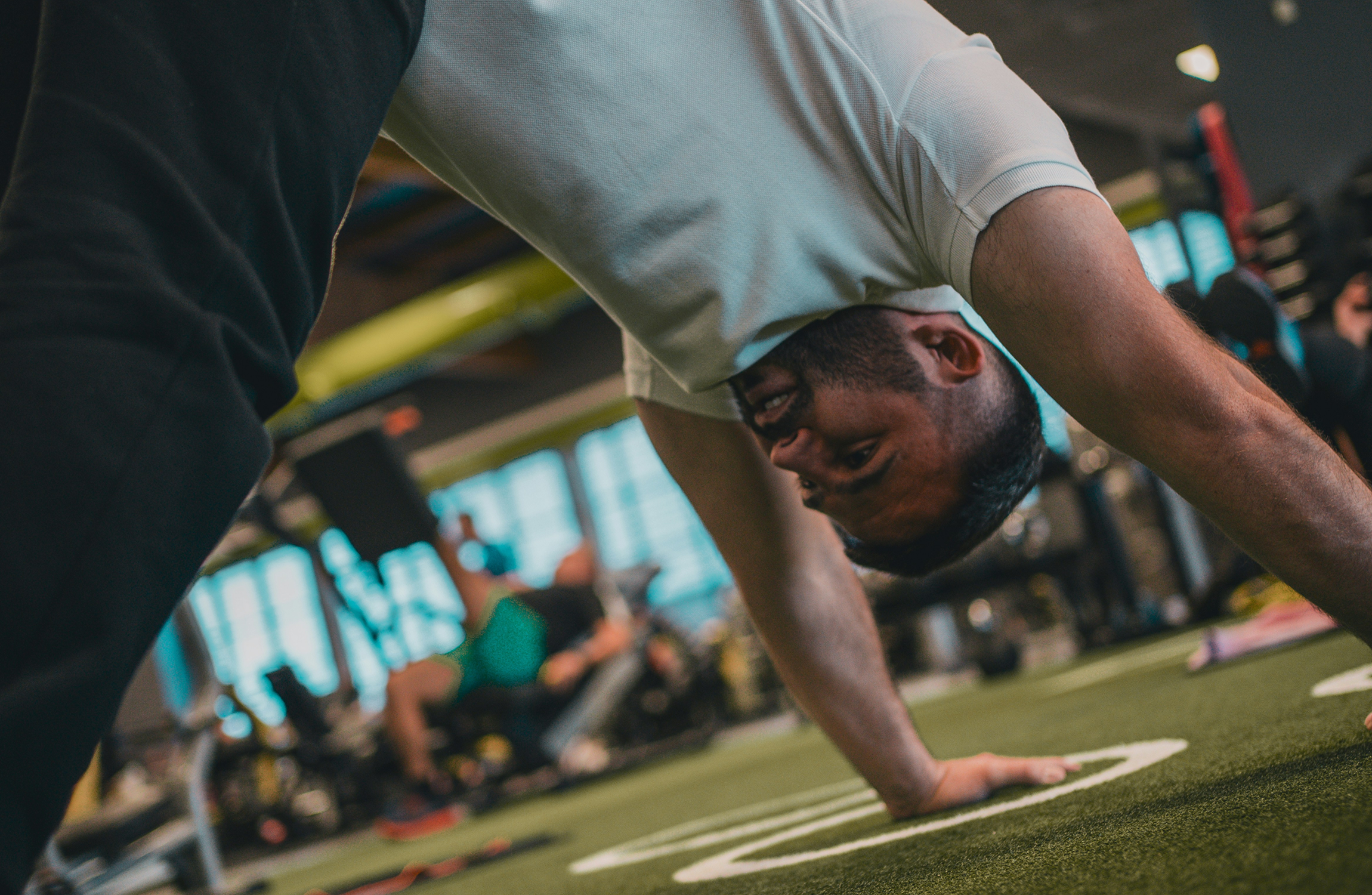
Something shifts in your 40s. Recovery takes a little longer, the aches linger, and the strength you once took for granted needs more upkeep. None of this means slowing down. It means training a little smarter, so the decades ahead stay active, independent and pain-free.
From your 40s onward, the body starts to lose muscle and bone more readily, and balance quietly declines if you leave it unchallenged. The good news is that a handful of foundational movements protect against most of it. You do not need a gym membership or hours a week. You need consistency and the right five exercises.
1. Sit to Stand (lower body strength)
Strong legs are the foundation of staying independent. The sit to stand, rising from a chair without pushing up with your hands, builds the exact strength you rely on every day for stairs, getting off the floor and getting out of a low chair.
How to do it: Sit tall in a sturdy chair with your feet flat. Stand all the way up, then lower back down with control. Aim for two sets of ten. To make it harder, slow the lowering phase or hold a weight against your chest.
2. Single-Leg Balance (balance and falls prevention)
Balance is a skill, and like any skill it fades without practice. Training it now protects you against falls later, which become one of the biggest threats to independence as we age.
How to do it: Stand beside a bench or wall for safety. Lift one foot off the ground and hold for up to thirty seconds, then swap sides. Once it feels steady, progress by closing your eyes or turning your head side to side.
3. Resistance Training (strength and bone health)
Lifting resistance, whether dumbbells, resistance bands or your own bodyweight, signals your bones and muscles to stay strong. This matters enormously after 40, when bone density begins to decline, especially for women approaching menopause.
How to do it: Choose two or three movements such as a row, a press and a squat. Work with a load that feels challenging by the final few repetitions. Two sessions a week makes a real difference.
4. Brisk Walking (cardiovascular health)
Your heart is a muscle, and it thrives on regular work. Brisk walking is one of the most accessible ways to protect your heart, support a healthy weight, lift your mood and keep blood pressure in a good range.
How to do it: Walk at a pace where holding a conversation takes a little effort. Aim for thirty minutes on most days. Add a hill or a backpack with a little weight as your fitness builds.
5. Hip and Shoulder Mobility (movement and flexibility)
Stiff hips and shoulders creep up slowly and make everyday movements harder, from reaching a high shelf to checking your blind spot in the car. A few minutes of mobility work keeps you moving freely.
How to do it: Try gentle hip circles, seated trunk rotations and shoulder rolls each morning. Move slowly through a comfortable range and breathe. Little and often beats one long session.
Where to start
If you are managing a health condition, recovering from an injury, or returning after time away from exercise, it pays to start with guidance. An Accredited Exercise Physiologist builds a plan around your body, your history and your goals, so you train safely and see results sooner.
Ready to move better through your 40s and beyond? Request a callback and our team will help you take the first step.
