
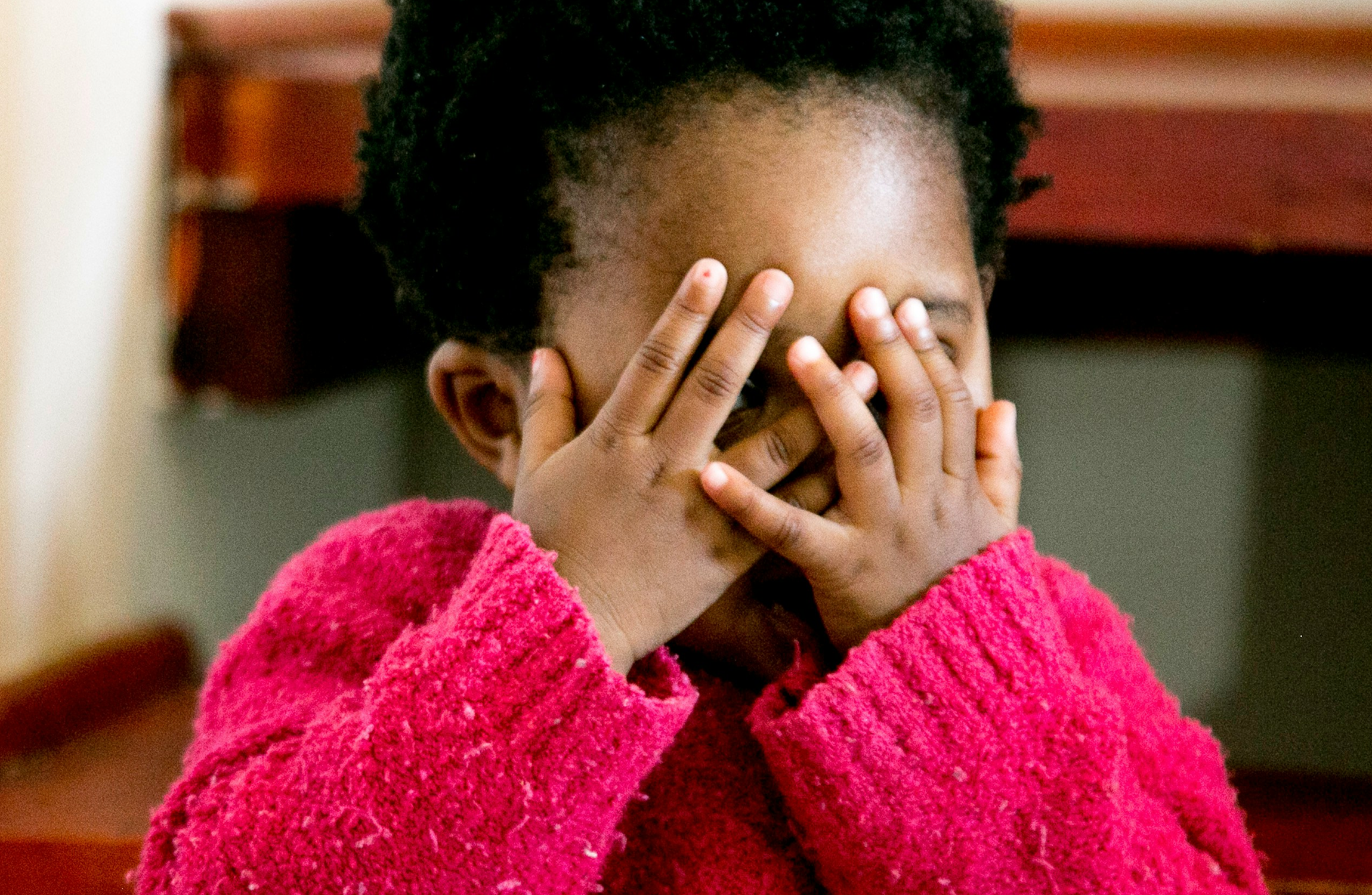
If your child melts down before school, asks the same worried question over and over, or avoids the things they used to love, you are not alone, and your child is not being difficult.
These are some of common signs of childhood anxiety, and around one in ten young people aged 6 to 18 experience it each year.
The reassuring news is that anxiety in children responds well to support, and there is a lot you are able to do at home to help. Here is what childhood anxiety looks like, why it happens, and the practical steps that make a difference.
What childhood anxiety looks like
Anxiety shows up differently in children than in adults. Rather than saying "I feel anxious", a child often shows it through behaviour. Look for:
Avoiding activities, places or people, even ones they used to enjoy
Asking for reassurance over and over
Worrying about "what if" situations: school, friends, family, health
Perfectionism or a strong fear of making mistakes
Physical complaints with no clear cause, such as stomach aches or headaches
Meltdowns or shutdowns when something feels too big to face
Avoidance brings short-term relief, which feels like it helps. Over time though, steering around the worry tends to make it grow.
Why it happens
Anxiety is the body's natural alarm system. It keeps us safe by triggering a fight, flight or freeze response when there is danger. For some children, that alarm goes off too often, even when there is no real threat, like at drop-off, before a test, or ahead of a birthday party. Seeing anxiety as an overactive alarm, rather than bad behaviour, changes how you respond to it.
Simple things to do at home
You do not need to fix everything at once. Small, steady steps work best.
Name the feeling. Help your child put words to what is happening: "It looks like your worry alarm is going off." Naming a feeling makes it less frightening.
Try box breathing. Breathe in for four counts, hold for four, breathe out for four, hold for four. Doing this together settles the body and gives your child a tool they keep for life.
Take small brave steps. Instead of avoiding the worry altogether, break it into gentle stages. Each small success builds confidence for the next.
Read together. A book like Hey Warrior by Karen Young explains anxiety to children in a way they understand.
Stay calm and steady. Your child takes their cue from you. A warm, unhurried response tells them they are safe.
When to seek support
Some worry is a normal part of growing up. It is worth reaching out for extra help when anxiety starts to get in the way of everyday life: refusing school, trouble sleeping, pulling away from friends, or distress that lingers for weeks. Early support makes a real difference, and seeking it is a sign of good parenting, not failure.
At PACE Health, our Paediatric Psychologists work with children and families using warm, evidence-based approaches. We help your child build practical skills to manage worry, and we support you with strategies for home. No referral is needed to start.
Worried about your child? Request a callback and our paediatric team will help you find the right next step.
